
Glass & cameras
Windshield & Auto Glass Replacement in Fate
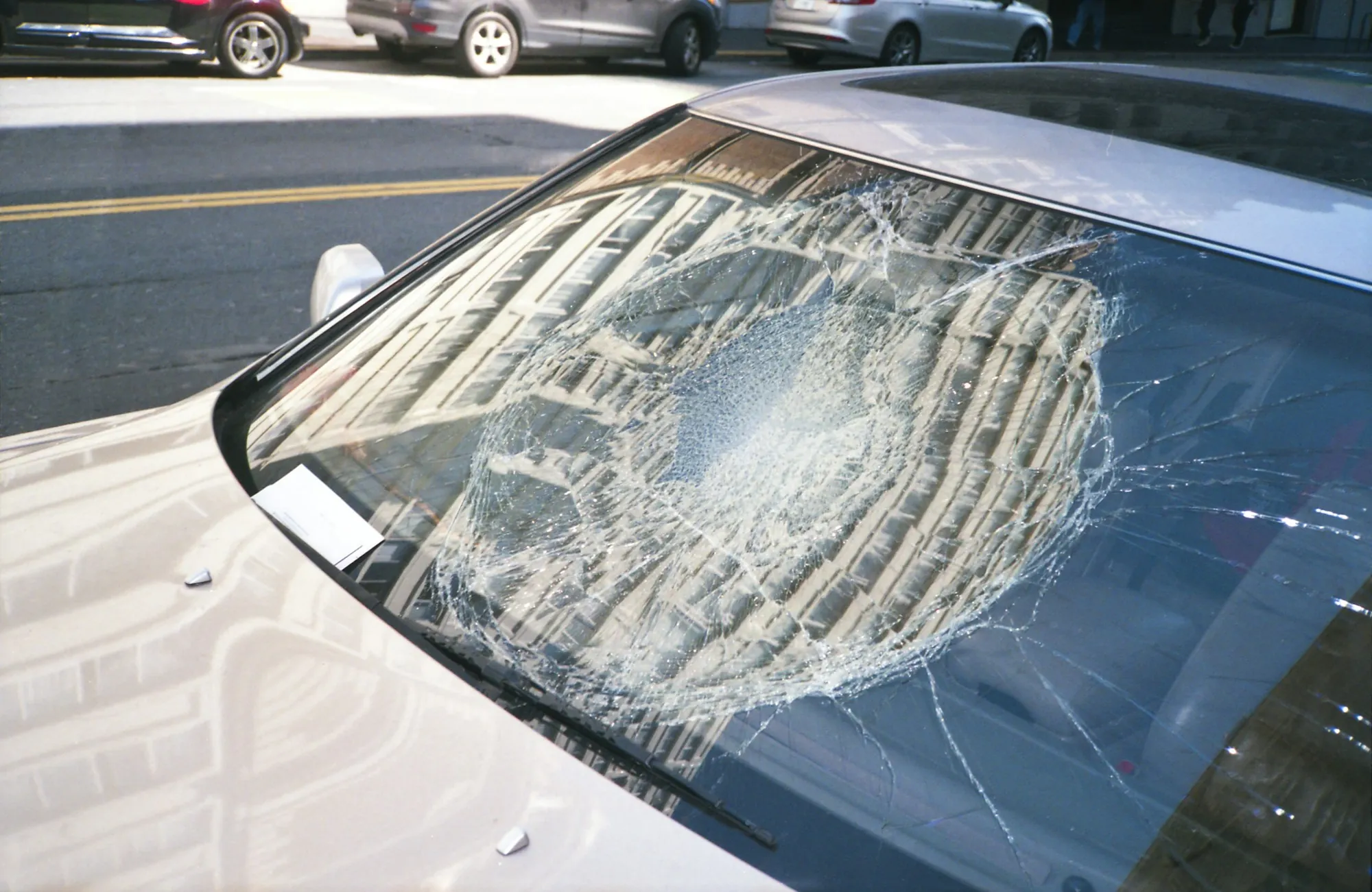
Today's windshield doubles as a structural member and the mount for your forward camera. We replace it with glass that fits the sensors, then calibrate the system afterward.
Describe the cracked glass — (000) 000-0000Your Windshield Is Doing a Lot
On a late-model car, the windshield holds the rain sensor, the lane camera bracket, sometimes a heads-up display layer and acoustic film that keeps the cabin quiet. It also stiffens the roof and serves as a backstop when the passenger airbag deploys. So replacement is a precision job. Autobody Repairs Fate matches the glass to your vehicle's exact feature set, uses urethane rated for your car and respects proper cure time before the car moves. If your vehicle has a forward camera, a calibration follows the install so your driver-assist features see the highway accurately. Rock chips kicked up by gravel trucks on I-30 and construction traffic around FM 551 keep us busy with side windows, back glass and windshields alike.
What Glass Replacement Includes
Auto glass work on a modern vehicle touches structure, sensors and seals. Each of these is part of the job.
Feature-matched glass
We confirm heads-up display, heated wiper zones, acoustic layers and camera brackets so the replacement fits your trim level.
Careful trim and cowl removal
Moldings, wiper arms and cowl panels come off without damage so they go back on cleanly.
Pinchweld prep
Old urethane is trimmed to the right height and any bare metal is primed to stop rust from forming under the new seal.
Structural-grade urethane
The adhesive meets the vehicle's specs, and we honor its safe drive-away time before you leave.
Sensor and bracket transfer
Rain sensors, light sensors and mirror mounts move to the new glass or are replaced if they're damaged.
Camera calibration after install
Static or dynamic calibration aims the forward camera so driver-assist features work as designed.
Side and rear glass
Door glass, quarter glass and heated back windows are replaced, with defroster and antenna connections tested.
Water and wind noise test
A water test and road check confirm the seal is tight and the cabin stays quiet.
How a Glass Job Comes Together
- 01
Decode and source
We decode the VIN and look at the glass you have now to confirm every feature. The correct part is ordered along with any single-use clips or moldings. If you're filing a glass claim, we help gather the insurer's information. You'll know exactly what's going in before the old glass comes out.
- 02
Cut out and set
Trim comes off, the old windshield is cut out and the pinchweld is prepped. A fresh, consistent urethane bead goes on, then alignment guides help seat the new windshield. Sensors and mounts are reattached and trim is reinstalled. The adhesive then cures for its rated time.
- 03
Calibrate and test
The forward camera runs through the calibration routine the maker specifies. A scan confirms the driver-assist systems report no faults. Water and wind noise checks follow. We show you the finished install and point out anything to keep an eye on over the next few days.
Why Glass Belongs With a Body Shop
Camera aiming comes standard
A windshield on a camera-equipped car isn't finished until the camera is aimed. We handle both so nothing gets skipped.
Structure-minded installs
Body technicians understand how glass ties into the roof and pillars. That mindset shows in the prep and the bond.
Glass and body on one repair order
If a collision cracked the windshield and dented a fender, both get handled together. That's simpler for you and simpler for your claim.
Crack Creeping Across the Windshield?
A small chip can spread in Texas heat, and a cracked windshield can throw off the camera mounted behind it. Reach out and we'll match the correct glass to your vehicle.
Line up the right glass — (000) 000-0000