
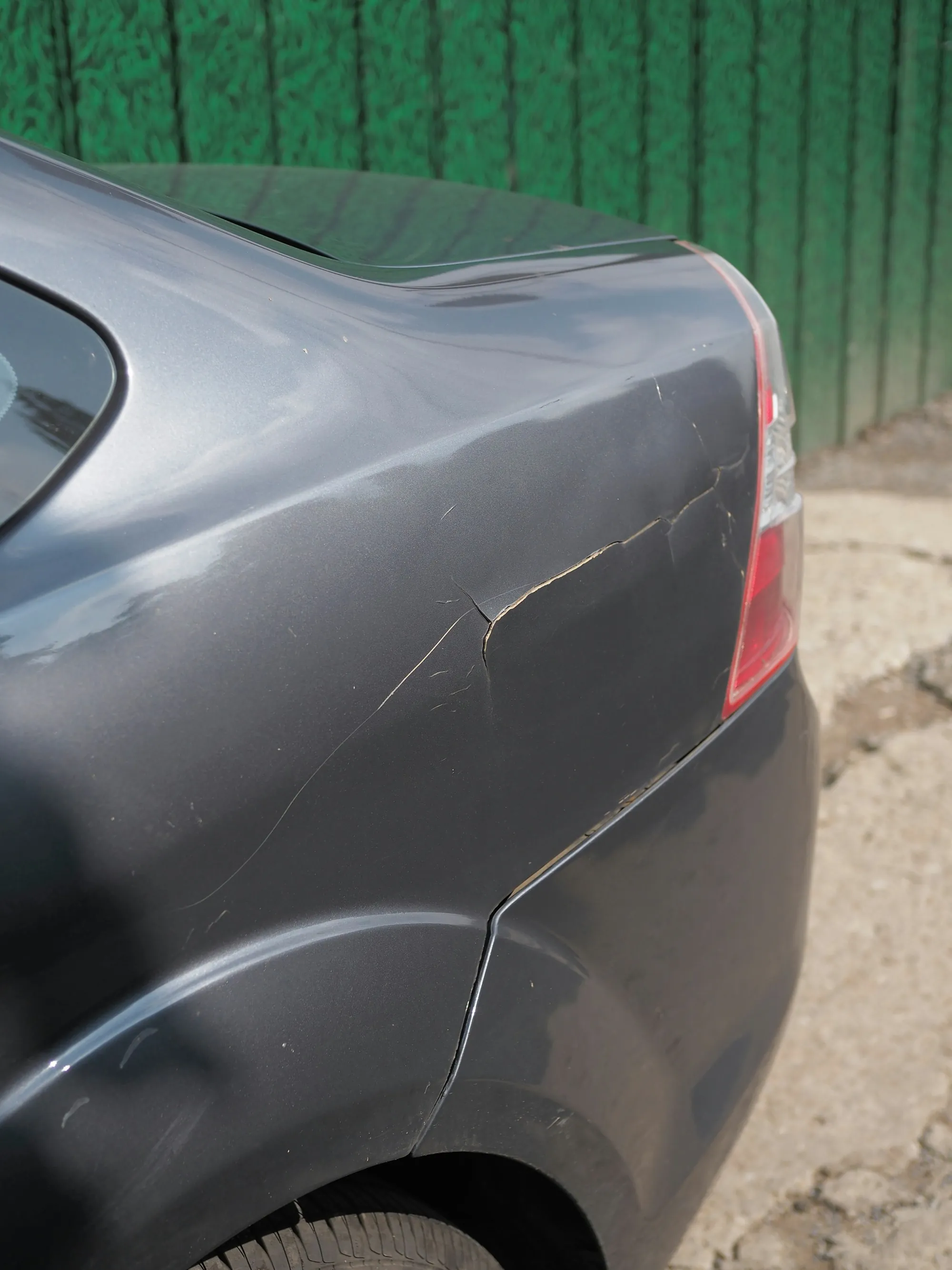
Scuffs, scrapes & key marks
Paint Scratch Repair in Fate, Sized to the Damage
A scratch can live only in the clear coat or cut all the way to metal. We figure out which one you have, then choose the lightest fix that works.
Point us to the scratch: (000) 000-0000Clear Coat, Color or Metal? It Matters
Modern paint is thinner than most people expect, so every scratch decision is really a decision about how much finish to spend. A light scuff from a hedge sits only in the clear coat and often polishes out. A deeper key mark that shows white or gray has reached primer and needs color rebuilt. We use a paint thickness gauge to measure how much finish remains before choosing a method. That matters on newer cars with tri-coat pearls and on bumper covers over radar, where extra layers have limits. Maybe the mark came from a tight garage in a new Fate subdivision or a crowded lot in the Ridge Road area; either way, the fix is chosen by depth.
Scratch Fixes on the Menu
From a gentle polish to a spot refinish, these are the tools we reach for.
Thickness gauge reading
A gauge measures the remaining paint around the scratch so we never cut through the clear by accident.
Multi-stage machine polishing
Clear-coat scratches are leveled with progressively finer pads and compounds until the gloss returns.
Wet sanding for stubborn lines
Slightly deeper clear-coat lines are flattened with fine wet sanding before polishing.
Pinpoint touch-up
Narrow deep lines and small chips get matched paint, then are leveled flush, ideal for spots that don't need a panel refinish.
Spot refinish and blend
Scratches that reached primer get a localized refinish, feathered out until the transition disappears.
Bumper scuff restoration
Scuffed plastic bumpers are sanded, primed with adhesion promoter and refinished to match.
Tri-coat scratch handling
Pearl and tri-coat colors are sprayed on test cards first so depth and shimmer line up with your car.
Gloss-blending final polish
A last polish evens out the gloss, leaving a finish that looks like the rest of the car.
From Mark to Mirror Finish
- 01
Wash, then gauge
The panel is washed and decontaminated so grit doesn't drag across the paint during repair. We inspect the scratch under bright light and take thickness readings. That tells us whether polish, touch-up or refinish is the right tool. We explain the choice before starting.
- 02
Fix it at its depth
Clear-coat marks are leveled and polished with attention to how much clear remains. Deeper marks are filled or spot refinished, using color tuned to your car and tested on a card first. Edges of any refinish are blended for a seamless look. Sensors in the area are protected throughout.
- 03
Inspect in real light
We check the finished area outdoors and from different angles, since scratches like to reappear in sunlight. Any haze is polished away. A final thickness reading confirms we left healthy clear coat behind. Then you give it your own once-over.
Why Scratch Repair Works Better Here
Measure before cutting
Clear coat can't be put back once it's polished away. Gauging it first protects the finish for the long run.
Smallest fix that works
We don't repaint a whole panel for a mark that polishes out. Right-sized repairs keep more factory paint on the car.
Comfortable with complex colors
Pearls, tri-coats and deep metallics are part of everyday work here, not a special event.
Spotted a Fresh Scratch?
Scratches through the clear let moisture in over time, so earlier is better. Tell us how it looks, and we'll suggest the lightest repair that will do the job.
Get a scratch opinion at (000) 000-0000