
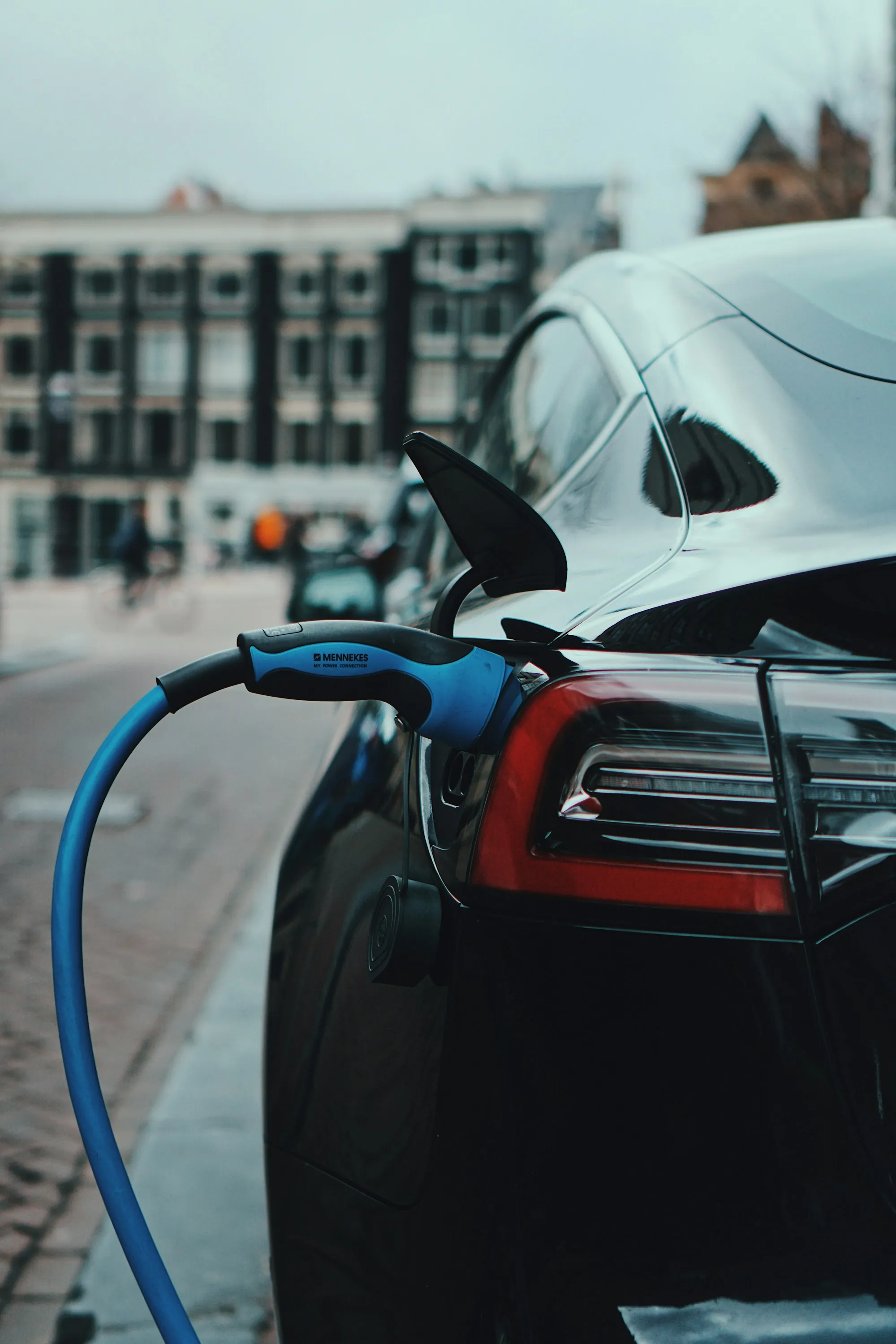
Electrified vehicles
EV & Hybrid Collision Repair in Fate With High-Voltage Care
Electric and hybrid vehicles bring big batteries, orange cables and a whole lot of software into a body shop. We repair the damage while respecting every bit of it.
Talk EV damage with our team — (000) 000-0000Collision Repair for Cars That Plug In
Electric and hybrid vehicles are rolling through Fate in growing numbers, and their crash repairs come with a few extra layers. High-voltage battery packs, orange cabling and thermal management systems all need to be accounted for before a panel comes off. At Autobody Repairs Fate we start by identifying the powertrain and following the manufacturer's steps for disabling the high-voltage system safely. The battery and its mounts are inspected for impact, since even a modest hit underneath can matter. Body, structure and paint work follow the same maker procedures as any late-model car, often with aluminum or mixed materials in the mix. Before the car heads home, we scan every module, run any required calibrations and confirm charging works the way it should.
What EV and Hybrid Repairs Cover
An electrified vehicle needs everything a regular collision repair does, plus a handful of steps that are unique to it.
High-voltage disable and verify
The system is powered down per the maker's instructions and verified with insulated meters before anyone works near it.
Pack and mount look-over
We examine the battery enclosure, every mounting point and each underbody shield for impact, leaks or deformation.
Orange harness inspection
Any high-voltage wiring or connector in the crash zone is inspected and replaced if it got pinched or cut.
Thermal loop review
Coolant lines and radiators that keep the battery and motors at temperature are pressure-checked after a front-end hit.
Mixed-material bodywork
Aluminum, high-strength steel and composites are each repaired with the method that suits them.
Paint booth bake limits
Bake cycles stay within the limits the automaker sets for vehicles carrying a battery pack.
Charge port and nearby sensors
Charge doors, ports and the sensors around them get tested so plugging in works the way it did before.
Software scans and calibrations
Every module is scanned and the driver-assist sensors are calibrated wherever the repair calls for it.
How We Handle an Electrified Repair
- 01
De-energize first
The car is identified by powertrain type and parked in a marked area. A technician follows the high-voltage disable procedure and confirms the system is de-energized. Damage around the battery and cables gets documented first. Only then does the teardown begin.
- 02
Repair it by the book
Structural, panel and paint work follow the maker's published steps for that model. Parts near the pack or motors are handled with insulated tools and extra care. Any supplement for hidden damage goes to your insurer with photos. The battery stays protected the whole way through.
- 03
Re-energize and test
We bring the high-voltage system back online using the maker's reconnection steps. We scan every module, clear repair-related codes and run calibrations. A test drive checks regenerative braking, driver-assist features and charging behavior. You get a walkthrough of everything that was repaired at pickup.
Why Plug-In Drivers Trust Our Bays
Safety is built into the workflow
High-voltage steps are part of every electrified job, not an afterthought. That protects our team and your battery.
Software matters as much as sheet metal
EVs and hybrids depend on dozens of modules talking to each other. Scans and calibrations are a standard part of the repair.
Fate-based EV know-how
Whether you commute toward Rowlett or charge up after a run down I-30, a Fate shop that knows electrified cars saves you a long haul. No towing a damaged EV across the Metroplex.
EV or Hybrid Took a Hit?
Share the year, model and where it got hit, and we'll walk you through the high-voltage steps involved. We're happy to talk through the claim too.
Plug into a real answer — (000) 000-0000