
Color & clear coat
Auto Painting & Refinishing in Fate for Modern Colors
Today's factory colors layer metallic flake, pearl and tinted clear in ways older paint never did. Matching them takes measurement, test panels and patience.
Talk through your paint color at (000) 000-0000Paint Is Now a High-Tech Coating
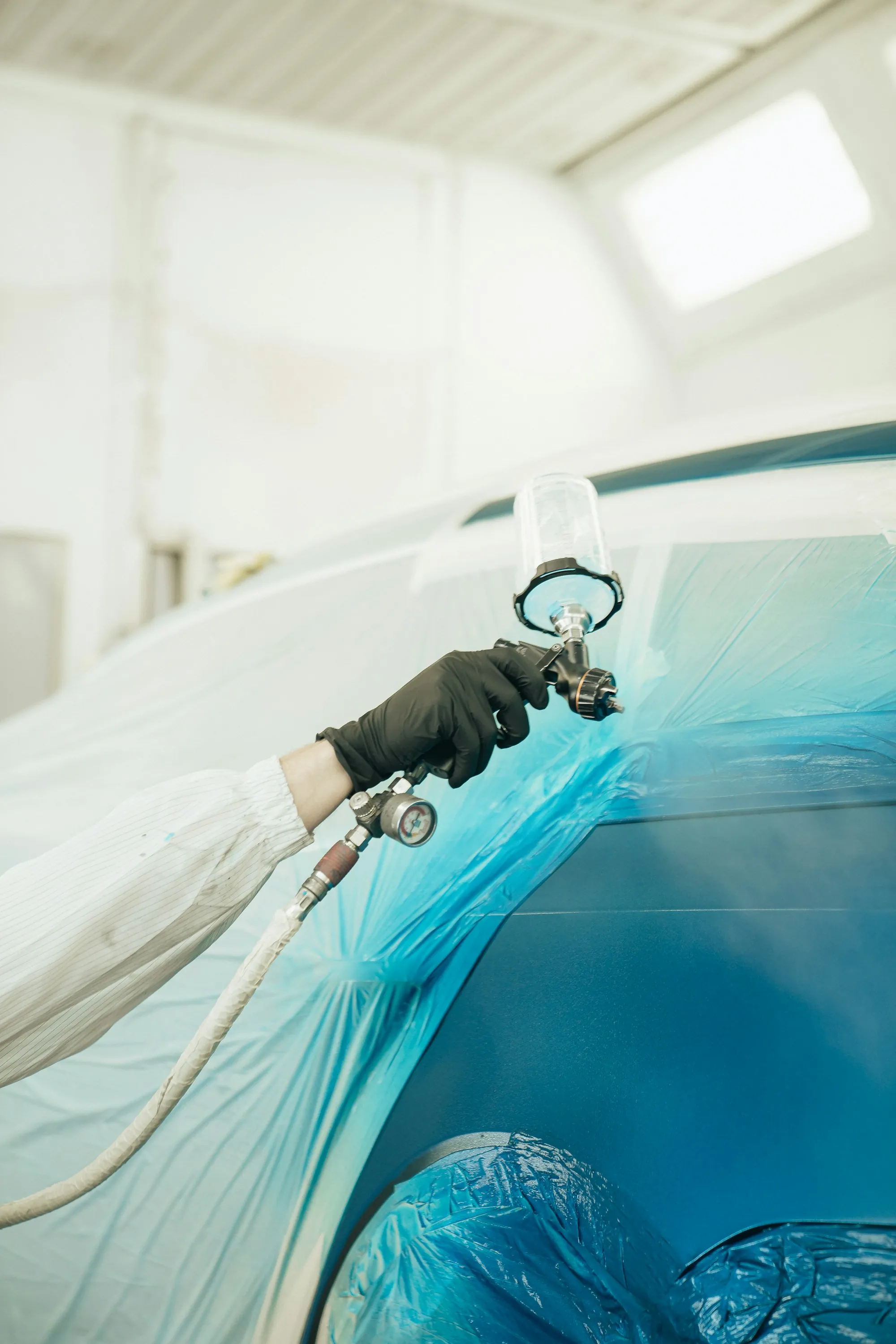
Late-model paint is a system: e-coat from the factory, primer, base color, sometimes a translucent mid-coat, with a tough clear layer sealing everything. Tri-coat colors add that middle layer, which is why a pearl white can look different from every angle. We read your paint code, then measure the actual color with a digital camera-based tool, because sun and age shift shades over time. Sprayed test cards let us compare before anything touches the car. There's another wrinkle on newer vehicles: bumper covers sitting over radar have limits on paint thickness, and we respect them. Whether it's one bumper cover or the whole car, our Fate shop paints with that full picture in mind.
Pieces of a Proper Refinish
Great paint is mostly preparation. Here's how fresh color vanishes into the original.
Code plus digital color read
We start with the factory code and refine the formula using a digital reading taken off your car.
Test cards sprayed first
We spray sample cards and compare them to your car outdoors before the real panel gets color.
Tri-coat layering control
We settle on the mid-coat count using the test card, which keeps pearl depth consistent.
Blend into neighbor panels
Color fades gradually across adjacent panels, leaving no visible line where new meets old.
Radar-friendly film builds
Over sensor zones, total paint thickness stays within the maker's limits so radar signals pass cleanly.
Dust-controlled booth spraying
Filtered booth air pulls contaminants away while each coat is sprayed.
Clear coat cure and polish
After curing, the clear is inspected and lightly polished to match factory gloss.
Factory texture matching
Factory paint has a subtle orange-peel texture, and we match it so the repair doesn't look too glassy next to original panels.
Paint Work From Prep to Gloss
- 01
Strip, clean, mask
Old finish is sanded, damaged areas repaired and the surface cleaned of oils and silicone. Masking covers glass, trim and sensor lenses that stay put. Removable parts like handles and emblems come off. Good prep is what lets new paint grip for the long haul.
- 02
Lock in the formula
Formula, digital reading and spray-out cards come together before the booth door closes. For tri-coats, we test how many mid-coat passes create the right depth. Base, mid-coat and clear are applied under filtered air. Each layer gets its proper flash time.
- 03
Cure, polish, reinstall
Fresh clear cures in the booth, then gets inspected under bright light. Minor dust nibs are polished out. Emblems, trim and sensors are reinstalled, and any calibration the procedures require is completed. Final color checks happen outdoors.
Why Our Refinish Blends In
Measured, not eyeballed
Codes get you close, but measurement and test cards close the gap. That's how a repainted door matches a sun-faded quarter panel.
Sensor-smart painting
Painting over radar is a technical job with real limits. We follow them so your safety tech isn't compromised.
Daylight sign-off
We judge color outside, where you'll actually see the car. Booth lights alone don't make the call.
Faded, Scuffed or Freshly Repaired Panels?
Whether it's a fender from a fender-bender on FM 552 or a hood baked by the Texas sun, paint deserves care. Share the color and what happened to it, and we'll walk through the choices with you.
(000) 000-0000 connects you with our paint crew