
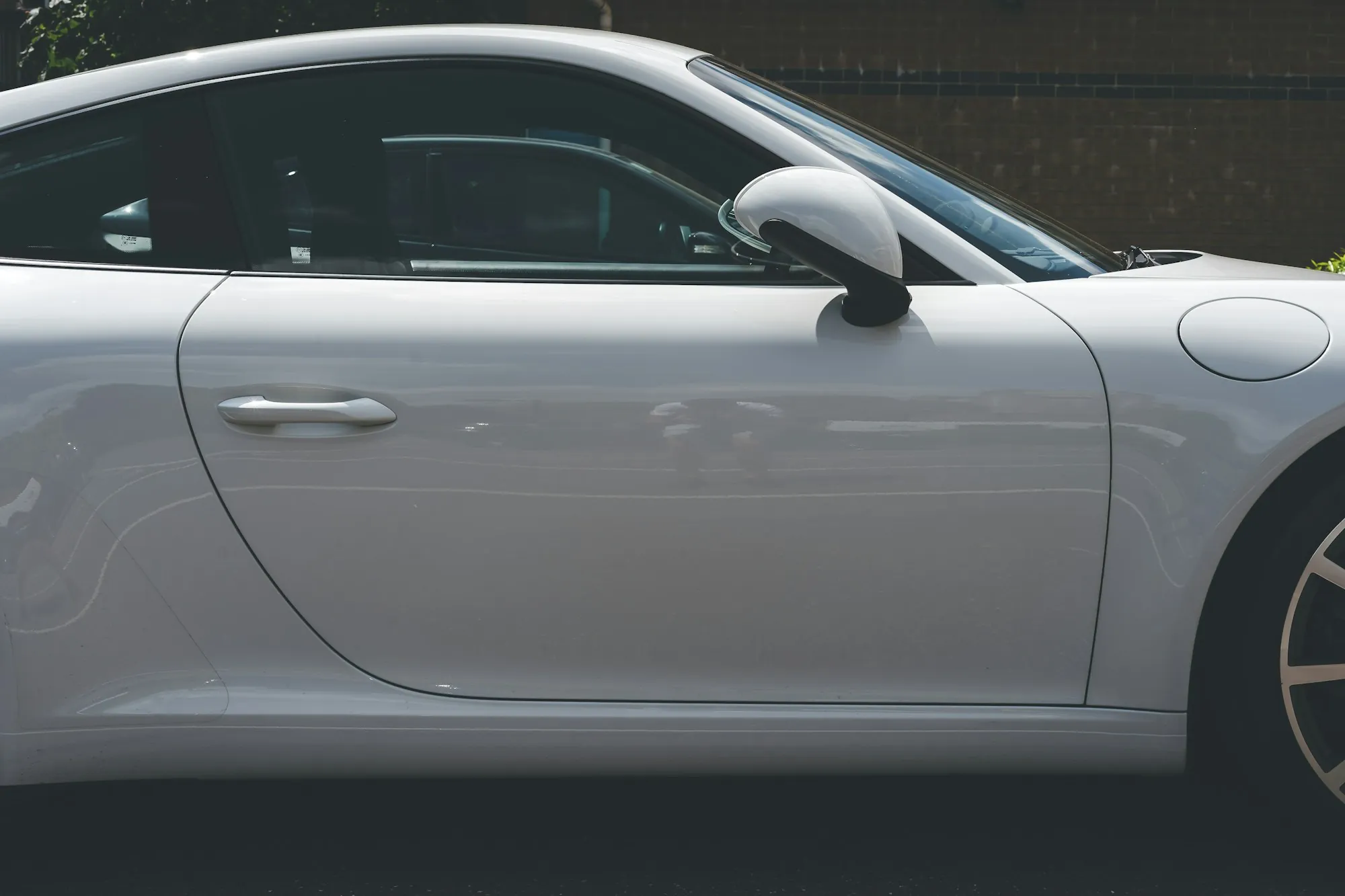
Dings, creases & gouges
Dent Repair in Fate When the Paint Is Broken Too
Some dents are sharp, deep or cracked through the paint. Those need metal work and refinishing, done with an eye on the sensors and lightweight panels newer cars use.
Tell us how deep the dent goes: (000) 000-0000Dents That Have Broken the Finish
Paintless repair is a fantastic tool, provided the finish survived and the steel or aluminum kept its original size. Once a dent has cracked the finish, folded a body line or gouged the surface, it needs traditional repair. That means shaping the metal back, adding a whisper-thin layer of filler only where the shape demands it, then priming and painting. On a newer vehicle, we also look at what sits behind or near the dent. Rear quarters can house blind-spot radar, and bumper corners often carry parking sensors that dislike filler and heavy paint film. Our Fate team plans around those details so the repair looks right and the tech keeps working.
What Goes Into a Traditional Dent Fix
Each step keeps the repair thin, smooth and friendly to the electronics nearby.
Dent mapping under light
Reflective boards and bright lamps reveal every high spot and low spot around the main damage.
Pulling where the back is closed
Steel panels get small welded studs to pull on when there's no access from behind, and aluminum gets its own dedicated pull system.
Body-line restoration
Sharp character lines are rebuilt crisp, because a soft line is the first thing people notice.
Featherweight filler use
Filler goes on as a thin finishing layer only, never as a way to rebuild missing shape.
Sensor zone awareness
Near radar and parking sensors, we follow the maker's limits on filler and paint thickness so signals pass through cleanly.
Hand-blocked primer
Primer is applied and sanded flat by hand, setting the panel up for a smooth topcoat.
Color-matched topcoat
Your color code sets the starting formula, which is then fine-tuned against the actual car so it blends with the panels around it.
Function check afterward
Any nearby sensor gets tested once the panel is back together, so alerts and beeps work as designed.
Our Dent Repair Rhythm
- 01
Look closely, plan smart
We study the dent from several angles and decide whether any of it can be saved with paintless methods. Next we check for sensors and lightweight materials in the area. The estimate spells out the metal work, paint and any calibration. You know the scope before tools come out.
- 02
Coax the contour back
The metal is coaxed back toward its original contour with pulling and hammer-and-dolly work. Filler, if needed, goes on thin and is sanded flat. Primer seals the repair and gets blocked smooth. This stage decides how invisible the final result will be.
- 03
Paint, blend and test
Base color goes on and fades into the neighboring panels so light reflects evenly down the side. Clear coat goes on and cures in the booth. Trim and sensors are reinstalled and tested. Before calling it finished, we compare the panel in natural light.
Why Dents Come Out Right Here
Gentlest method wins
If part of the dent can go paintless, we do that and refinish only what's necessary. Less paint means more original finish.
Sensors stay happy
We know where hidden sensors live on many late-model cars. Repairs around them follow the maker's rules on material thickness.
Sunlight is the final judge
Shop lights can flatter a panel. We check the finish outdoors, because that's where you'll see it every day.
Dented in a Parking Lot Off I-30?
Even a modest dent can start to rust once the paint is broken. Describe it to us, and we'll tell you whether paintless or traditional repair makes more sense.
Find out which dent repair fits at (000) 000-0000