
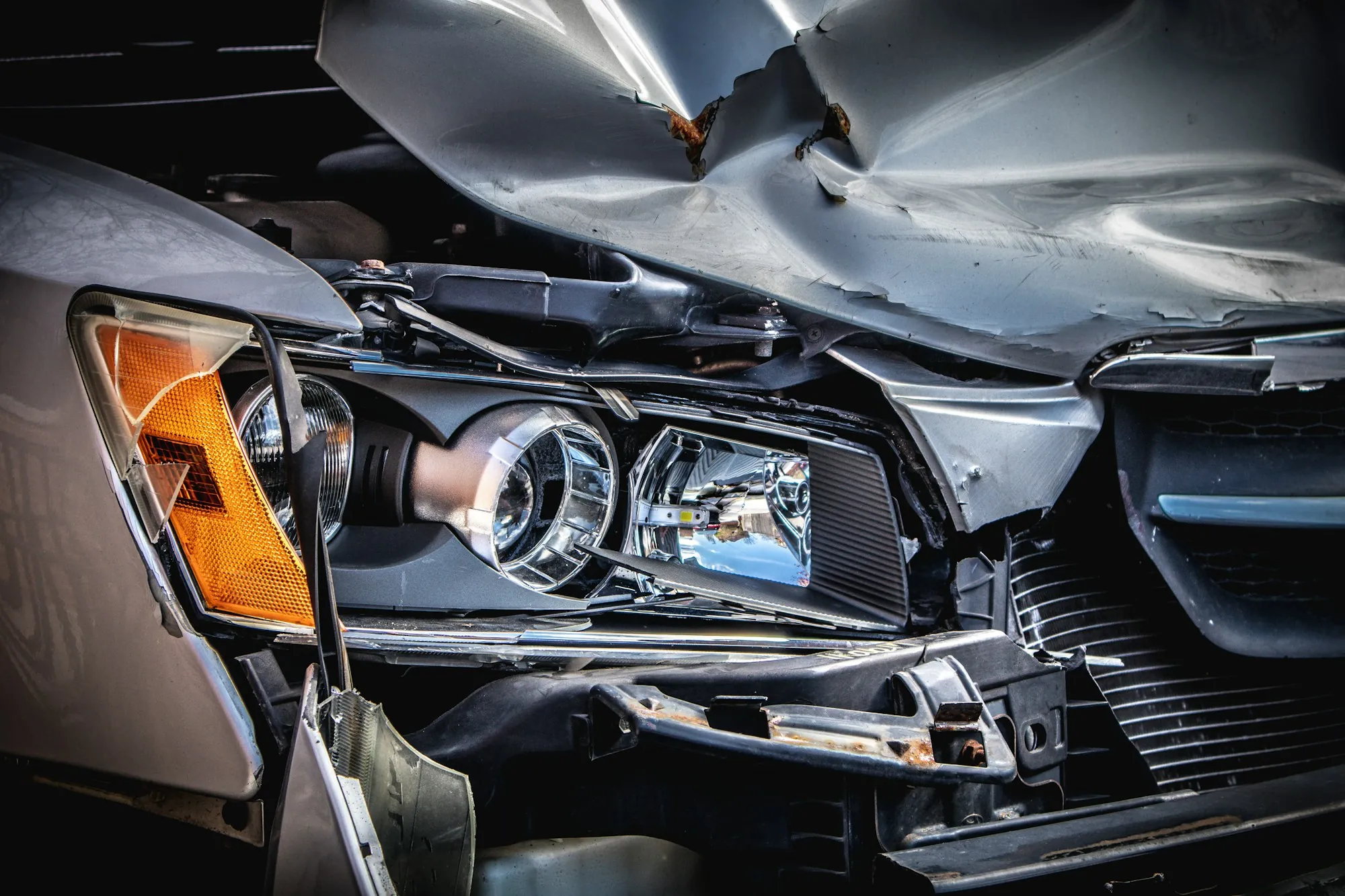
Crash repair, modernized
Collision Repair in Fate for Today's Sensor-Packed Cars
Newer cars are rolling networks of sensors and modules. After a crunch on FM 551 or a bump in a subdivision cul-de-sac, we repair the metal and the network.
Walk us through what happened at (000) 000-0000A Crash Repair Plan That Speaks Your Car's Language
Modern collision repair goes well past bent sheet metal. The bumper on a late-model crossover hides a radar unit, the grille may carry a camera, and the headlamps can swivel with the steering wheel. At Autobody Repairs Fate every one of those parts counts as repair work, the same as a fender. Every job opens with a diagnostic scan that captures the fault codes stored during the impact, followed by a teardown so we can photograph the brackets and absorbers behind the cover. From there we pull the automaker's published repair procedures that match your vehicle's year and trim, then shape the plan around them. Whether the hit happened merging onto I-30 or backing out of a driveway in one of Fate's newer neighborhoods, you see the full plan before work begins.
Inside a Fate Collision Repair
Newer vehicles mix steel, aluminum, plastics and electronics. Here's how each layer gets attention.
Impact code capture
A scan before teardown records every warning the crash triggered, so nothing electronic gets lost in the shuffle.
Hidden-layer photo map
Covers and trim come off, and each bracket, absorber and clip behind them is photographed for the estimate and the adjuster.
Model-specific repair research
We follow the automaker's published steps for your model, including which parts are one-time-use and need to be swapped out.
Structure checked by the numbers
Electronic measuring compares key points on the body to factory specs, and any pulls are verified against those readings.
Mixed-material panel work
High-strength steel, aluminum and composite panels are joined using whatever method the maker spells out, from rivet-bonding to specific welds.
Headlamp reset and aim
LED and adaptive headlamps are reinstalled, aimed and tested so they light the road where the engineers intended.
Radar and camera re-aiming
Radar, cameras and parking sensors that were moved or replaced are calibrated to the maker's targets and specs.
Closing scan and road check
A final scan confirms clean systems, and a test loop confirms the car tracks straight, stops smoothly and handles with its usual poise.
Three Phases From Wreck to Release
- 01
Diagnose and document
We start with a walk-around, photos and a full system scan while the damage is fresh. That scan tells us which modules logged faults during the crash. The written estimate breaks out body work, parts and calibrations line by line. When there's an insurance claim, your adjuster receives the identical file, so everyone works from one set of facts.
- 02
Teardown and blueprint
With the damaged area apart, hidden breaks and bent mounts come to light. Each find is photographed, folded into the plan and cleared with your adjuster ahead of any added work. Teardown is also the moment we pin down every sensor that will need calibrating. You hear from us about anything new we find.
- 03
Rebuild, calibrate, verify
The order is structure, panels, paint and finally reassembly, with every clip and harness reconnected. Cameras and radar are calibrated, lamps are aimed and a closing scan runs. We take the car out on local roads to watch the driver-assist features behave. When you arrive for the keys, we show you what was fixed and replaced.
Why Late-Model Owners Pick Our Fate Shop
Electronics on the estimate from day one
Scans and calibrations are written into the very first estimate instead of surfacing as a surprise later. That keeps the claim cleaner and the repair complete.
Procedures over habit
Every model has its own rules for sectioning, welding and part replacement. We look them up for your car instead of relying on memory.
Updates in plain English
Tech talk is our job, not yours. We translate each update into what changed, why it matters and what happens next.
Had a Crash in a Newer Car?
The sooner the car is scanned and torn down, the sooner the claim has the facts it needs. Ring the shop, fill us in on the crash and say where the car is parked.
Start the repair plan at (000) 000-0000